

Wine storage is becoming one of the most profitable services in the self storage industry, and it’s growing faster than many operators realise.
In the U.S., consumers bought an estimated $107 billion worth of wine in 2024, and demand is expected to rise over the next decade. Consumers are buying more premium wine and they’re willing to pay for controlled storage.
Typical self storage rates in the U.S. typically hover near $1 per square foot per month. By comparison, dedicated wine storage can deliver much higher revenue in the range of $50 to $150 per square foot.
Operators who build these facilities are serving a growing group of connoisseurs who need protection from temperature and environmental fluctuations. Many operators have discovered that even a small build-out can generate disproportionately strong revenue per square foot compared to traditional units.
If you’re exploring ways to diversify revenue and stand out in a competitive market, wine storage is worth a closer look.
In this article, we’ll explore what collectors expect and what it takes to design and operate a wine self storage business for long-term success.
What Is a Wine Storage Business?
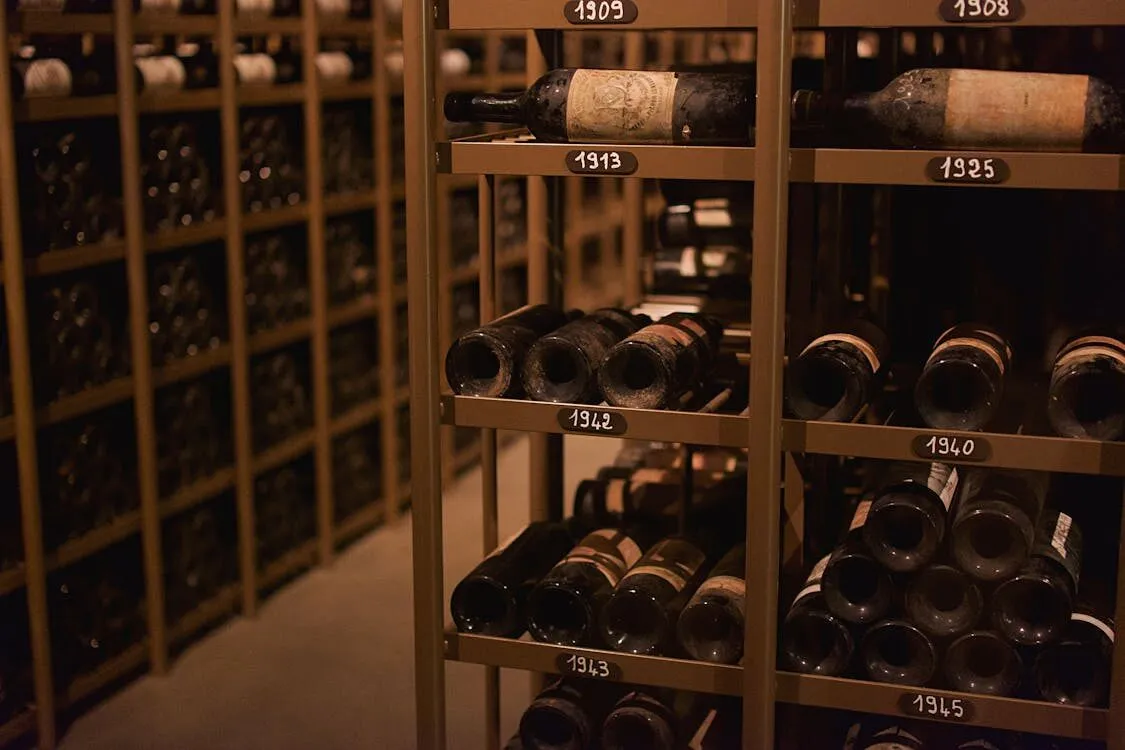
Wine storage is a specialised category of self storage built to preserve wine in the same conditions used by professional collectors, wineries, and beverage importers.
If you want your wine storage business to be a success, you can’t treat it as an extension of standard temperature-controlled storage units.
Rather, you should draw a clear line between traditional storage and the precision required for wine. Entering this niche requires a fresh operational mindset, because it demands much more critical environmental control than typical storage environments.
To store wine properly, operators must maintain:
- Consistent temperature: Even a few degrees of movement can accelerate aging or cause cork expansion, so temperature control between 55°F to 58°F is necessary.
- Stable humidity: Too little humidity dries out corks, and too much encourages mold growth on labels and wood, so wine storage facilities are typically kept at 60–70 percent humidity.
- Vibration control: Vibration disturbs sediment and affects long-term flavor stability. This requires reinforced flooring, isolated racking, and carefully selected HVAC equipment.
- Dark environments: Light exposure triggers chemical reactions that break down wine, so facilities are designed to block UV light entirely.
- Enhanced security: Storing high-value collections may mean installing monitored access systems, alarms, and securing niche insurance coverage.
These requirements mean wine storage units typically use cellar-grade insulation, vapor barriers, specialised cooling, and backup power. Many operators also integrate automated alerts to keep compliance with recommended storage conditions.
Wine storage demands more hands-on oversight than traditional units. But for operators willing to build it right, it offers premium revenue and the chance to build a loyal community of long-term tenants.
Who Uses Wine Storage?

Wine storage pulls in a very different customer base to a traditional self storage facility.
These customers bring higher expectations, store higher-value goods, and tend to stay longer because their needs revolve around long-term preservation.
As the global fine-wine storage market grows toward an estimated $5.8 billion by 2033, demand across all four major segments is rising:
Private collectors
Private collectors are the largest group using wine storage units, and many of them create expanding collections that outgrow at-home storage.
These customers choose off-site facilities for consistency, reliability, and the ability to safely age bottles over years, which makes them ideal long-term tenants.
Restaurants and hospitality
As the premium wine market continues to grow, the hospitality sector is expanding its own wine inventory to match customer expectations.
This shift means restaurants are carrying deeper inventories, rotating seasonal allocations, and managing more bottles, all of which require square foot space and storage conditions they can’t provide.
Retailers and distributers
Retailers, importers, and distributors use wine storage units to manage overflow inventory and seasonal demand.
With North America’s wine cellar market valued at roughly $1.1 billion in 2024 and projected to grow at 5 percent annually, more retail operators need scalable space beyond their storefronts or warehouses.
This is especially common when they purchase large allocations or seasonal shipments that exceed in-store capacity.
Investment-grade collectors
As wine has gained legitimacy as an investment asset, demand for professional-grade storage units has grown. Typically, these clients keep their wine bottles in storage for many years, which creates exceptionally low turnover.
How To Research Demand in Your Local Market
Before you invest in specialised systems, you need to make sure there’s enough demand to make wine storage profitable.
Because wine storage serves a niche base of wine consumers, feasibility comes down to understanding who collects, buys, sells, and serves wine in your region.
Here’s how to find out:
Map the local wine landscape
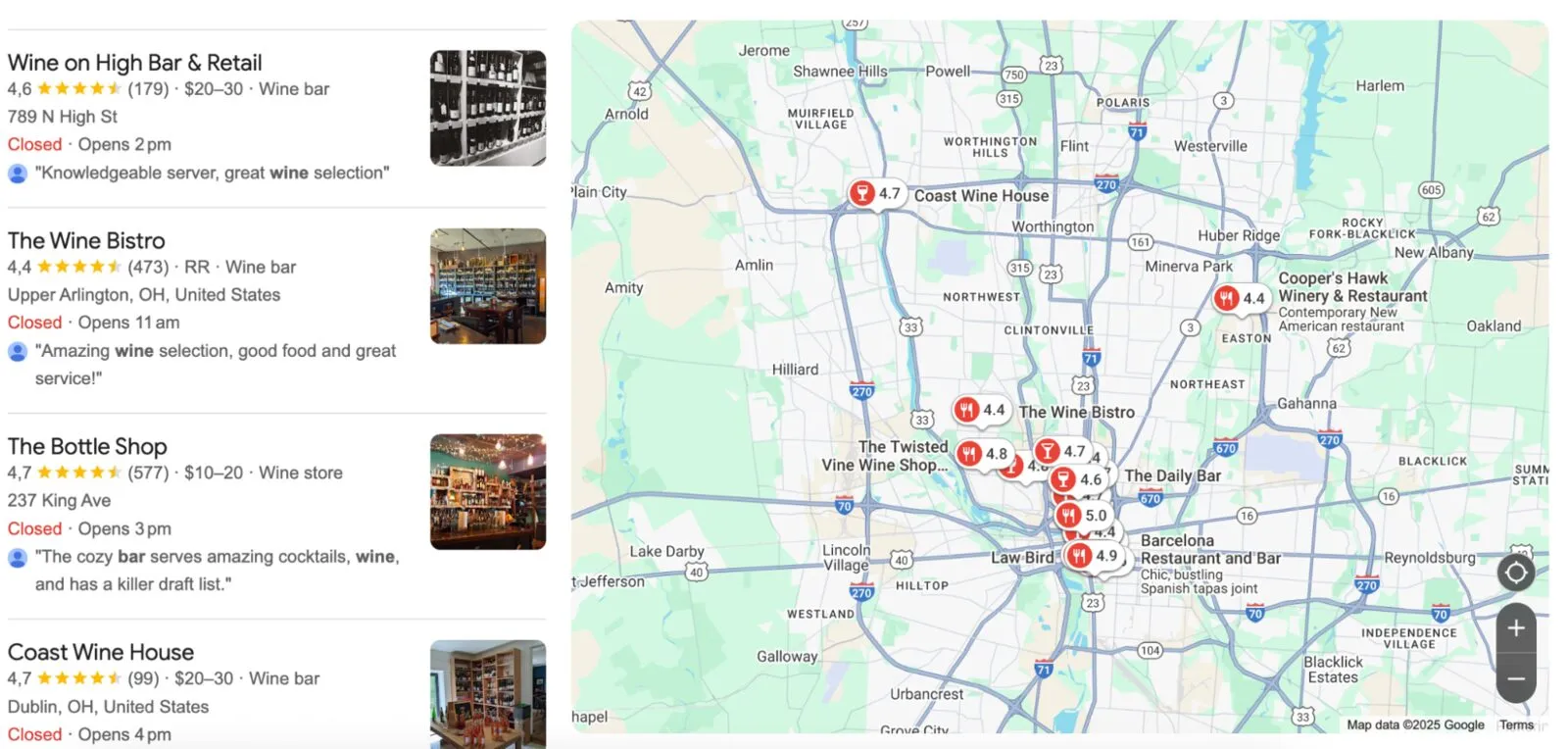
Start by doing market research into the wine scene within 10 to 20 miles of your location.
Use Google Maps to search for wine retailers, boutique shops, wine bars, tasting rooms, and vineyards.
A high concentration of specialty shops or venues offering premium bottles usually signals that there are private collectors who are willing to pay for storage services.
Analyse demographics
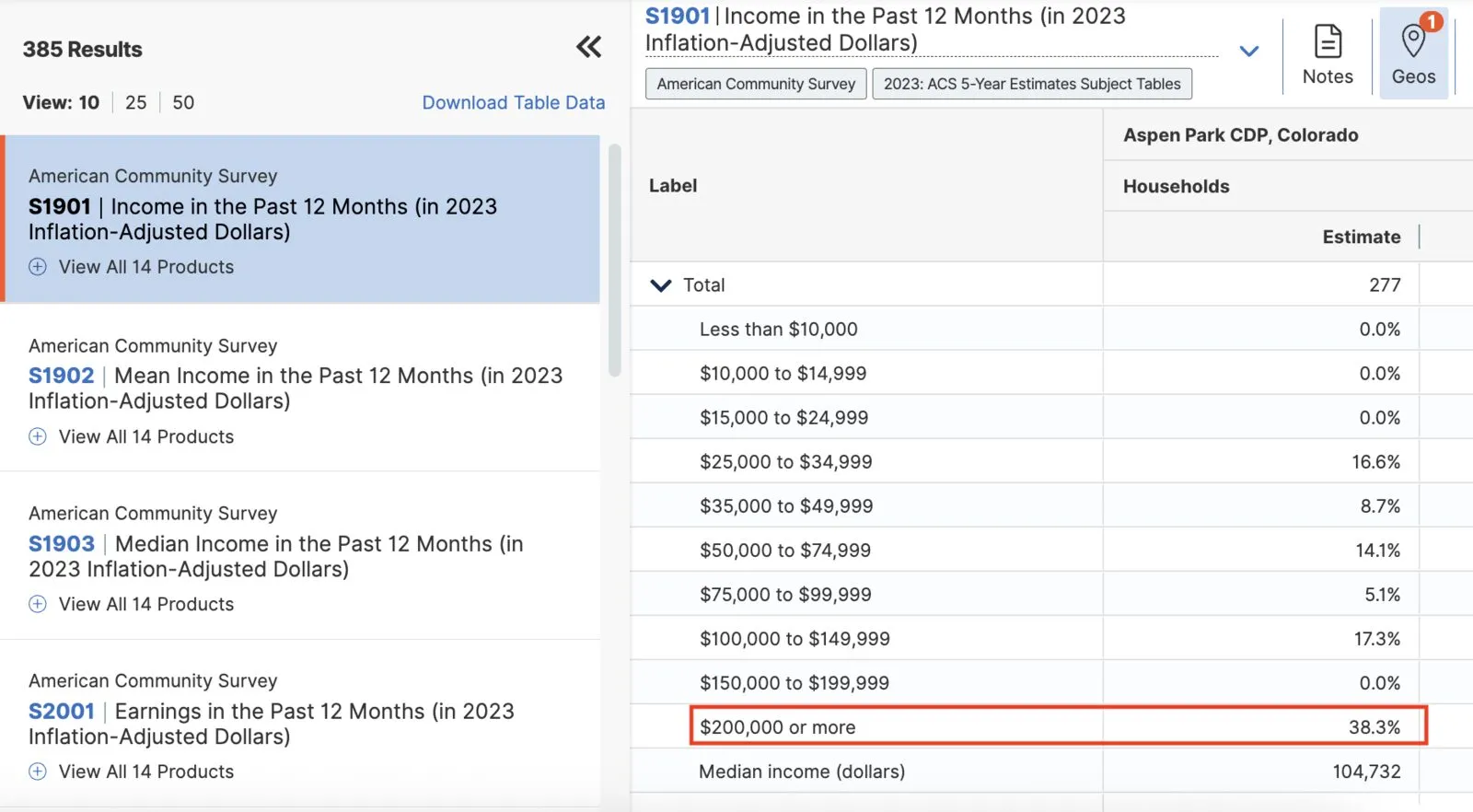
These customers generally come from higher-income households, so you’ll need to make sure your local market is able to pay for wine storage.
You can use the U.S. Census’ ACS data tool or Esri’s free ZIP code lookup to check household income demographics near your location.
A growing base of residents with money (especially those living in condos or newer housing developments with limited storage space) is a strong sign that off-site storage will resonate.
Evaluate hospitality and retail demand
Restaurants, hospitality groups, and wine retailers often require more storage than they can fit on-site.
Use platforms like Yelp, OpenTable, and Google’s Business Listings to identify restaurants with wine programs, sommeliers on staff, or curated bottle lists. If your area has a strong or growing hospitality scene, that’s a reliable signal that they’ll need storage units year-round.
Talk to industry professionals
Direct conversations can confirm demand faster than any spreadsheet.
Join local wine events listed on Eventbrite or Meetup, and ask collectors how they store their bottles today. Many will be candid about running out of space or struggling with at-home cellar conditions.
How To Start Your Wine Storage Facility
Step 1: Get the design right
The most important part of launching a wine storage facility is getting the design and infrastructure right from day one.
You’ll need to think like a professional cellar builder, not a standard self storage operator.
Wine requires stable conditions, and your layout, materials, and equipment must support those conditions 24/7.
Stable climate zones
Start by mapping the exact rooms or units you plan to convert.
Wine storage works best when spaces are fully insulated and separated from temperature swings. Avoid exterior walls when possible, and choose interior rooms or corridors where heat transfer will be minimal.
If you plan multiple zones (such as individual lockers, case-storage rooms, or private cellars), design each zone with its own climate boundary. This reduces strain on the cooling equipment and protects you if one area needs maintenance.
Proper insulation and vapor barriers
Insulation is one of the most overlooked but critical elements in wine storage design. You’ll need:
- Closed-cell spray foam or rigid insulation
- A continuous vapor barrier on warm sides of walls
- Airtight seals around all penetrations, ducts, and doors
This reduces heat gain, prevents condensation, and ensures your equipment doesn’t have to work harder than necessary. A poor insulation job will increase your energy costs for the life of your facility, so it’s worth investing in quality.
Cooling systems designed for wine
Standard HVAC systems aren’t appropriate for wine storage. You’ll need cooling units designed for cellars that can:
- Maintain 55°F–58°F with minimal fluctuation
- Support 60–70 percent humidity
- Run long, slow cycles to avoid temperature swings
- Use low-vibration components
Depending on your footprint, you may need ducted systems, ductless split systems, or fully self-contained units.
For a deeper look at climate systems, read our guide on Everything You Need To Know About Storage Unit Climate Control.
Wine racks
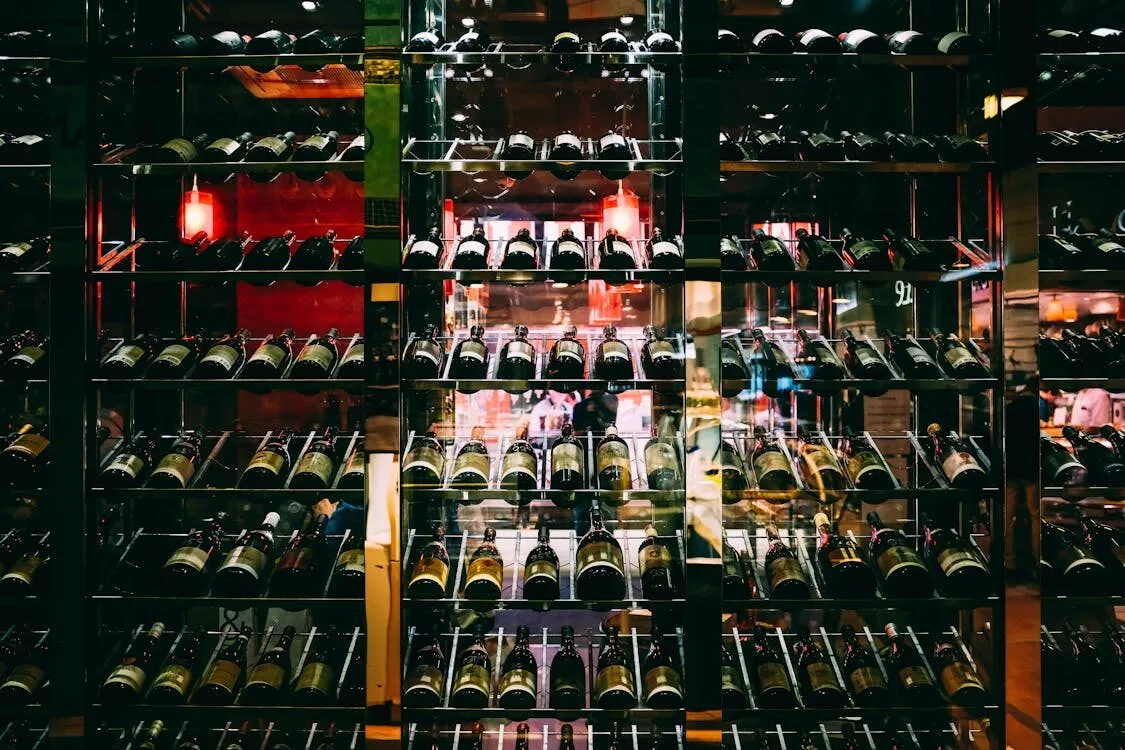
Use a mix of metal wine racks, bulk storage racks, and high-density shelving to maximise space while still creating a functional and stylish wine cellar environment.
The goal is to blend efficient storage with a professional, high-end feel.
Step 2: Integrate wine storage with your existing self storage facility
If you already run a self storage business, integrating wine storage can create a diversified revenue stream and attract a wider range of customers.
You don’t always need a separate building. You can adapt existing spaces to provide wine storage services with climate-controlled units, insulated rooms, and even custom wine cellars.
Leaning on your existing self storage infrastructure also reduces the cost of establishing a wine storage facility. You already have land, security systems, management software, and operational processes so you can simply add a specialised layer, without building everything from scratch.
Step 3: Choose the right amenities
Once the fundamentals are in place, add amenities that make wine connoisseurs want to store with you.
Think wine tastings, members-only events, or curated experiences to build community. Offer inventory management, secure receiving of deliveries, and 24/7 access (where feasible) so clients can access their wine on their terms.
To further differentiate your wine storage facility, consider services like bottle rotation, wine collection management, and recommendations on storage and handling.
Step 4: Build your brand
Branding matters more in wine than in any area corner of self storage.
You’re targeting clients who care deeply about quality, and they expect your facility to reflect the same standard.
A strong brand helps you signal expertise, justify premium pricing, and establish clear ownership over a high-value niche in your local market.
Brand for the customer you want to attract
Your brand should communicate stability, discretion, and craftsmanship.
That starts with a name and style that feels credible, so avoid gimmicks or anything that resembles traditional self storage branding. Instead, lean toward clean typography, refined colors, and high-quality photography.
Your facility should echo that identity. Clear signage, polished common areas, and professional racking systems help reinforce the message that your business is built for a premium market.
Tips for building a strong brand
- Lead with your niche. Position wine storage as a flagship offering. This helps you stand out and attract serious collectors.
- Show your environment. High-quality photos of your racking, climate systems, and secured spaces build trust more than descriptions alone.
- Educate your audience. Publish guides, FAQs, or storage recommendations that demonstrate real expertise. Connoisseurs value operators who understand their needs.
- Highlight your processes. Intake procedures, climate monitoring, and security protocols all support the perception of a well-run operation.
- Stay consistent. Your website, signage, onboarding emails, and in-facility experience should feel like parts of the same brand.
To learn more about building trust through service quality, read our guide on Customer Service Best Practices.
Step 5: Plan how to manage high-value wine collections
Wine storage customers expect far more than a climate-controlled room and a monthly invoice.
They’re trusting you with assets that can be rare, valuable, or emotionally significant.
If you want to attract and retain these clients, you need clear processes, professional communication, and systems that prove their collection is handled with care:
Understand what “high-value” really means
Collectors aren’t storing everyday goods because it’s convenient.
They store things like Champagne allocations, Napa micro-productions, limited-release Burgundies, and world-famous bottles purchased for long-term appreciation.
These clients are often amateur wine storage experts themselves, and they understand storage conditions in detail. So, they expect you to understand them too.
Even minor fluctuations can affect drinkability and resale value, so they evaluate your facility on its technical reliability and operational discipline.
Build a professional management process
Define exactly how collections will be organised and handled inside your facility, because high-value customers expect things like:
- Structured racking layouts: Bottles stored horisontally with labels visible, cases grouped by client, and shelving designed to minimise vibration.
- Clean labeling: Clear identifiers on racks, lockers, and cases so customers know their collection is organised.
- Documented intake procedures: Create a reliable process for receiving shipments, checking condition, logging items, and confirming arrival.
- Accurate stock rotation for business clients: Restaurants and retailers expect organised systems that keep fast-moving inventory accessible and long-term bottles stored safely.
- Secure storage zones: Private spaces, restricted access, and clear records of who entered help protect high-value collections.
- Professional communication: Prompt updates, clear documentation, and proactive messaging when deliveries arrive or access occurs.
Train your team to handle wine
Your staff play a major role in whether high-value clients trust your facility.
Collectors, restaurants, and investors expect your team to understand the basics of proper wine handling. At minimum, your training should cover:
- How to avoid unnecessary movement: Wine should stay still. Staff should know not to shuffle cases, tilt bottles, or reorganise racks unless requested. Movement can disturb sediment and affect long-term aging.
- Why vibration matters: Even small vibrations can impact delicate wines. Team members should understand which areas to avoid and how to move cases gently when needed.
- Proper intake and inspection: Staff must be able to receive deliveries, inspect for leaks or damage, and log items accurately. Many clients expect photo or digital confirmation for peace of mind.
- Climate fundamentals: Team members should know your temperature and humidity targets, what alarms mean, and how to escalate if climate readings drift.
- Customer etiquette: Tone matters with this market. Clear communication, respect for privacy, and professional language build credibility quickly.
- Your systems: Staff should be able to describe your monitoring tools, backup systems, and intake process in simple terms.
Training doesn’t need to be complex, but it must be consistent. When customers see that every staff member handles wine with care, their confidence in your facility grows.
Step 6: Use Stora to deliver a premium customer experience
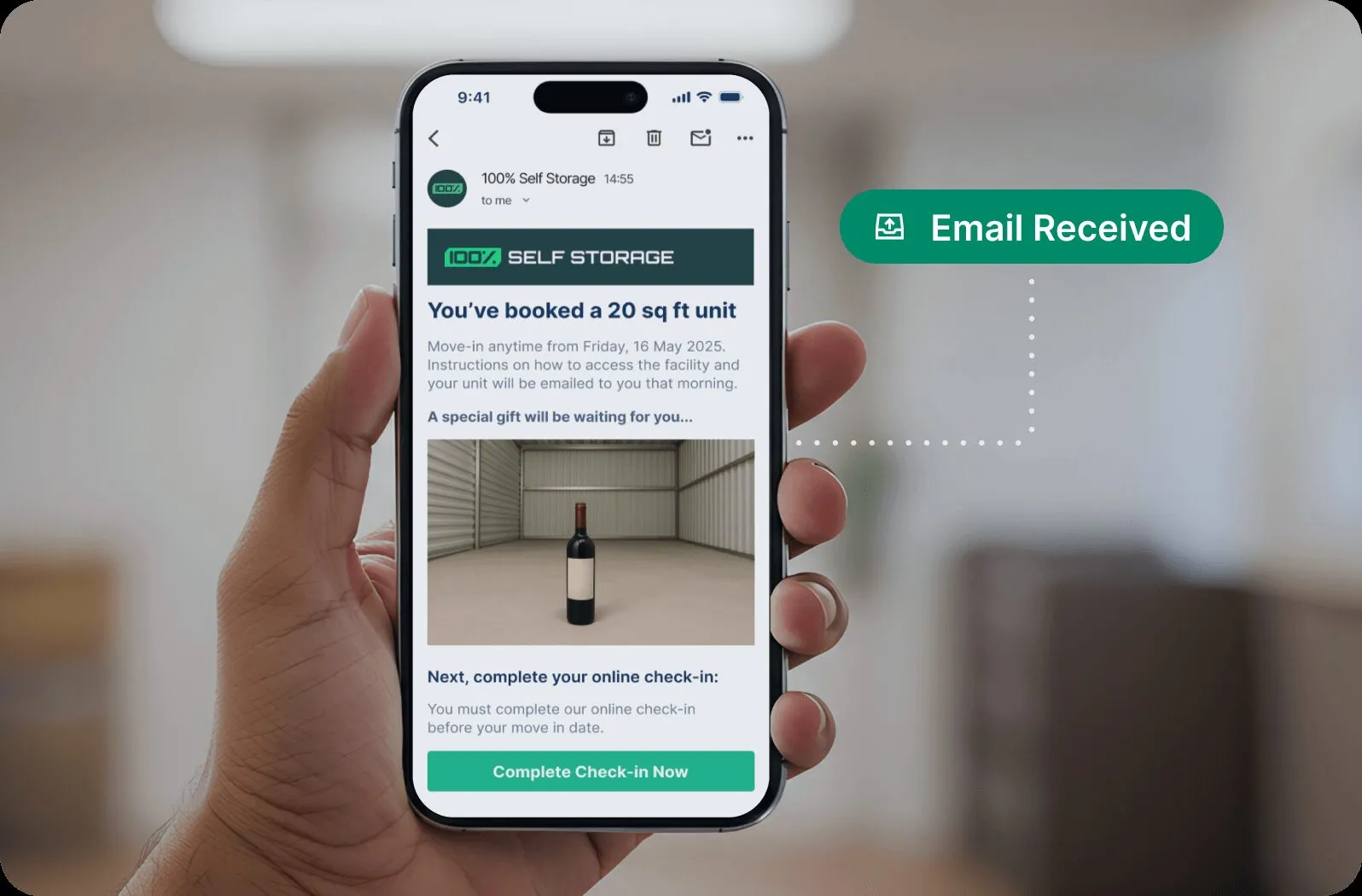
Wine storage clients expect a polished experience from the moment they book.
They want the same professionalism they’d get from a high-end cellar and Stora helps you deliver that standard without adding complexity to your day-to-day operations:
- Online bookings: Customers can reserve a unit without phone calls or paperwork. This level of convenience signals a premium service from the start.
- Automated recurring payments: Billing happens reliably in the background, eliminating errors and removing friction. High-value clients expect hands-off payments, not chasing invoices.
- Self-service account access: Customers can update payment details, view access history, and manage their account anytime. This transparency builds trust, especially with collectors and investors who want visibility into how their space is used.
- Integrated communication: Customers can message your team directly through their account, making it easy to confirm deliveries or ask questions.
Stora also helps you run consistent operations behind the scenes:
- Automated workflows: Key tasks trigger automatically. This ensures nothing is missed and every customer receives the same high-quality experience.
- Scheduled communications: You can set up proactive reminders and updates, whether you’re confirming a delivery, announcing tasting events, or notifying clients about seasonal conditions.
- Access logs and activity history: Stora records when a unit is accessed and by whom. Collectors, restaurants, and investors appreciate this level of transparency, especially when storing high-value bottles.
- Professional, conversion-ready website: Stora’s website builder lets you showcase your brand clearly, giving high-value clients confidence in your brand before they ever tour your facility.
Bring Your Wine Storage Operation Together With Stora
Building a wine storage facility is a serious investment, but when you get the design and operational processes right, it becomes one of the highest-value revenue streams in self storage.
But the only way to run it reliably at scale is with software that keeps everything organised behind the scenes.
Stora gives you the automation and control you need to manage premium units by bringing your entire operation into one platform so you can focus on growth.
Book a free Stora demo today and see how easy it can be to run a profitable wine storage facility.